
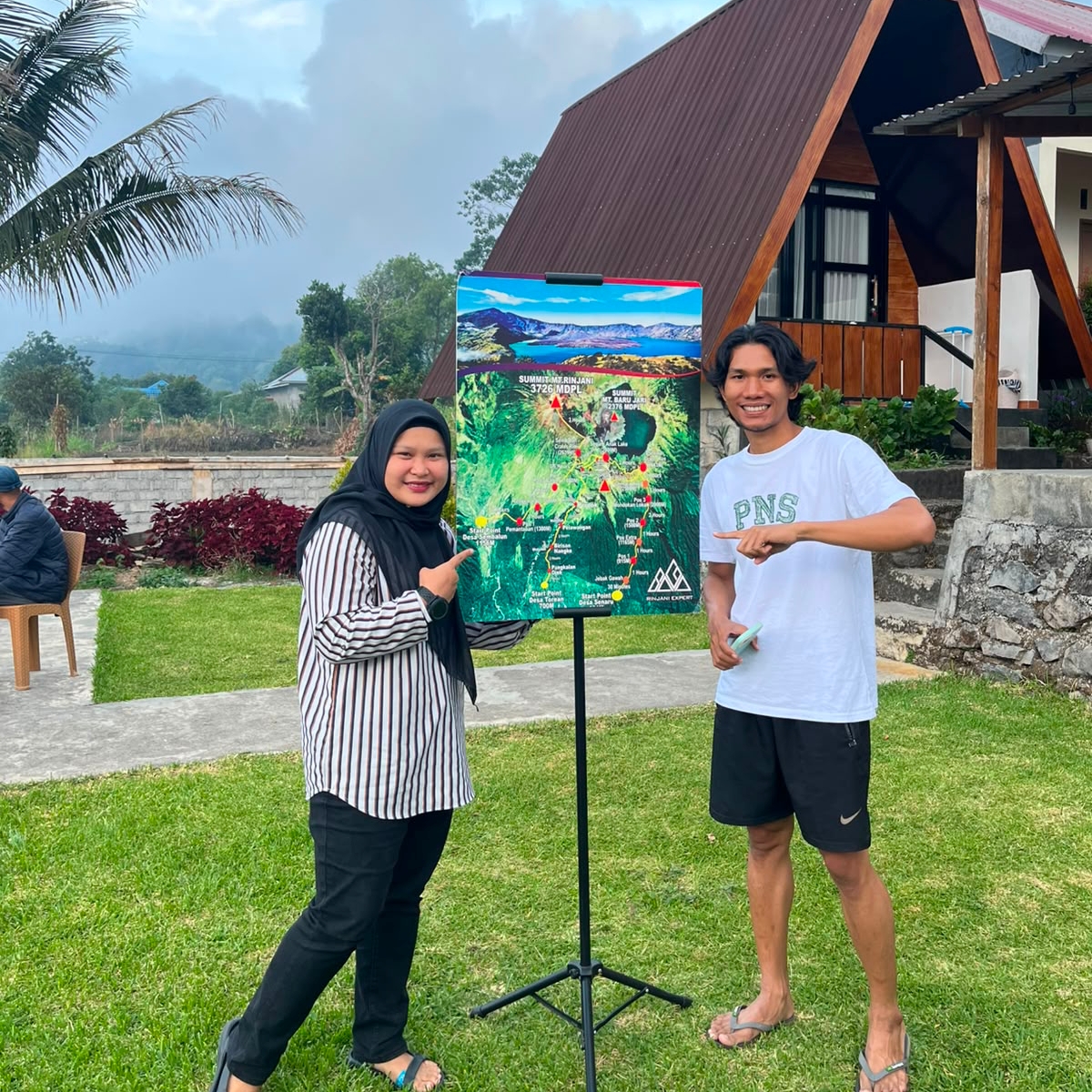
Climbing Mount Rinjani is a demanding, multi-day expedition that takes you from humid, tropical rainforests up to a freezing, exposed volcanic summit (3,726m / 12,224ft). Packing the right gear is critical for your safety and comfort, but you also need to pack light, as you will be carrying your own daypack.
If you book with a reputable trekking company, they will provide the heavy communal gear: tents, sleeping bags, sleeping mats, cooking equipment, food, and water. Your porters carry all of this.
Here is exactly what you need to bring in your personal pack.
1. Essential Trekking Gear
This is the gear you need to move safely and comfortably on the mountain.
-
Daypack (25L – 35L): This is what you will carry every day. It should be comfortable, have a hip belt, and include a waterproof rain cover.
-
Trekking Boots or Trail Runners: The terrain is incredibly diverse—mud, steep dirt trails, and deep, loose volcanic scree near the summit. Your shoes must have aggressive grip. If you bring boots, make sure they are fully broken in to avoid blisters.
-
Trekking Poles: Highly recommended, especially for the grueling summit push through loose gravel and the steep descents that are tough on your knees. (Many companies rent these).
-
Headlamp: Absolutely mandatory. You will wake up at 2:00 AM for the summit push, and you need your hands free to climb in the dark. Bring extra batteries.
2. Clothing Strategy: The Layering System
You need to dress in layers because the temperature fluctuates wildly—from 30°C (86°F) at the base to below freezing at the summit with strong winds.
For Hiking During the Day (Hot and Humid):
-
2-3 Moisture-Wicking T-Shirts: Avoid cotton, as it holds sweat and won’t dry. Synthetic materials or lightweight merino wool are best.
-
1 Pair of Trekking Pants or Shorts: Lightweight and quick-drying.
-
3-4 Pairs of Trekking Socks: Bring fresh socks for each day, plus one pair dedicated solely to sleeping.
For the Summit Push & Camp (Freezing and Windy):
-
Thermal Base Layers (Top & Bottom): Essential for sleeping and the summit climb.
-
Fleece Jacket or Mid-Layer: For warmth at the campsite in the evening.
-
Down or Synthetic Puffer Jacket: Crucial for the freezing summit push.
-
Windproof and Waterproof Shell Jacket: The wind at the crater rim and summit is brutal. This layer blocks the wind and keeps you dry if it rains.
-
Warm Hat / Beanie: You lose a lot of heat from your head.
-
Warm Gloves: Your hands will freeze gripping trekking poles in the dark on the way to the summit.
-
Neck Gaiter or Buff: Protects your face from the freezing wind and the heavy dust on the trail.
3. Personal Hygiene & First Aid
Facilities on the mountain are basic (usually just toilet tents set up by your porters).
-
Wet Wipes: There are no showers on the mountain (unless your trek visits the hot springs). Wet wipes are your only way to “bathe.”
-
Sun Protection: Sunscreen (SPF 50+), a wide-brimmed hat, and sunglasses. The UV radiation at high altitudes is intense.
-
Toilet Paper & Hand Sanitizer: Bring one roll of toilet paper, taking out the cardboard tube to save space.
-
Personal First Aid Kit: Blister pads (Compeed), Ibuprofen (for headaches and muscle pain), Immodium (for stomach issues), and any personal prescription medications.
-
Lip Balm with SPF: The cold wind will badly chap your lips.
-
Small Microfiber Towel: If you plan to swim in the hot springs.
4. Food & Hydration
Your trekking company provides all main meals and drinking water, but you need your own system and snacks.
-
Reusable Water Bottles or Hydration Bladder: You need to carry 2 to 3 liters of water capacity. Bladders (like CamelBak) are great for drinking while walking, but standard Nalgene bottles are also fine.
-
High-Energy Snacks: Bring your favorite trail mix, energy bars, chocolate, or gummy candies. You will need quick morale and energy boosts on the steep sections.
-
Electrolyte Powders: Adding electrolytes to your water helps replace what you lose through heavy sweating and can help prevent altitude sickness.
5. Electronics & Documents
-
Power Bank (10,000mAh+): There is no electricity on the mountain. Bring enough power to charge your phone/camera for 3 days.
-
Cash: Bring Indonesian Rupiah for tipping your guides and porters at the end of the trek (standard practice), and for buying snacks/drinks at the small local stalls occasionally found on the lower trails.
-
Passport / ID: Required for national park registration (a photo on your phone is usually sufficient, but check with your trekking company).